Cost of Sewer Camera Inspection
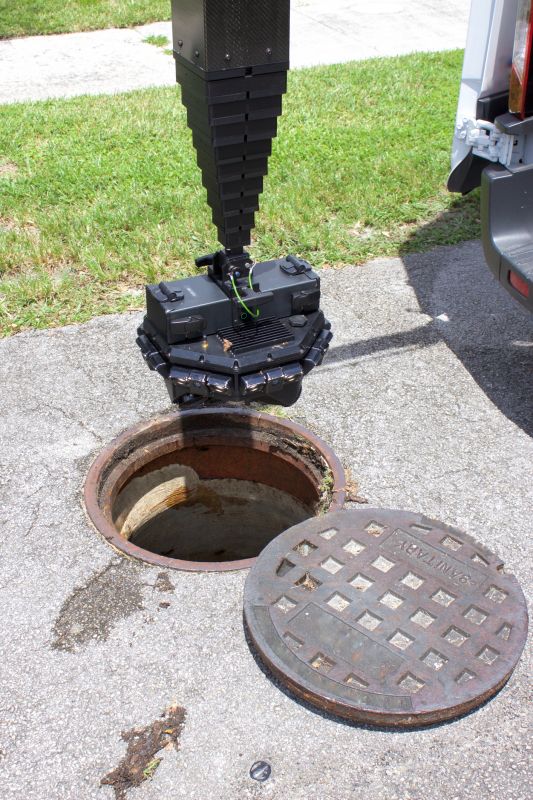
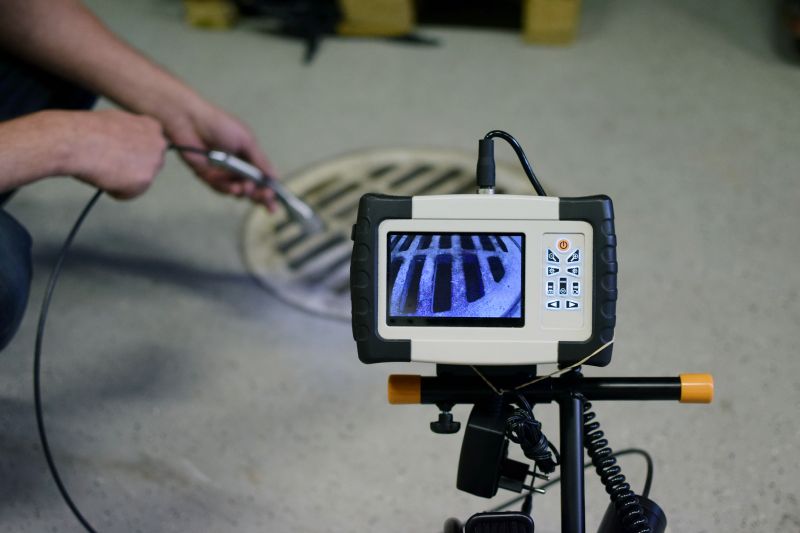
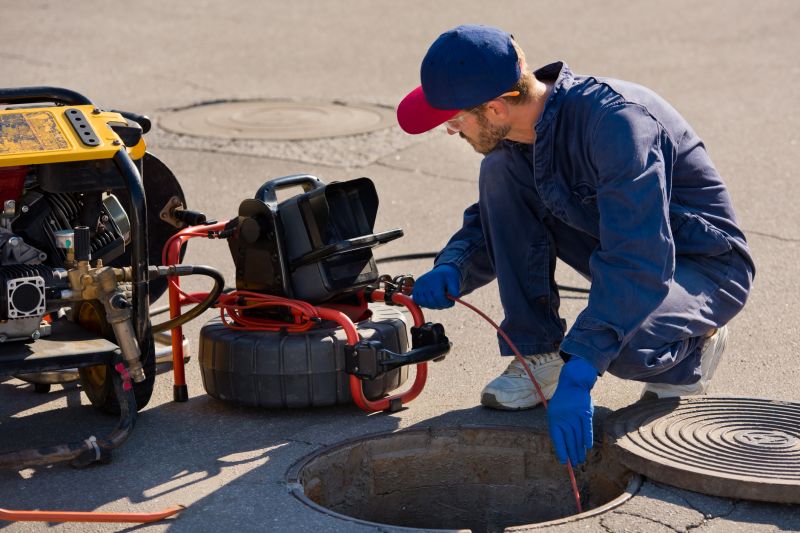
Sewer camera inspection services involve the use of specialized video equipment to assess the condition of underground sewer lines. These inspections can help identify blockages, leaks, or damage within the piping system, providing valuable information for planning repairs or maintenance. Final costs for sewer camera inspections can vary depending on the scope of the project, materials involved, labor requirements, and specific site conditions.
Pricing for sewer camera inspections is typically influenced by factors such as the length and accessibility of the sewer lines, the complexity of the inspection, and any additional services needed. It is important to consider that costs may differ between providers and projects, and a detailed estimate should be obtained that accounts for all relevant variables to better understand the potential expenses involved.
Estimated Price Range
$1,200 - $2,800 (smaller scope)
$3,500 - $7,000 (more extensive inspection)
| Project Type | Typical Range |
|---|---|
| Residential Sewer Line | $1,200 - $2,800 |
| Commercial Sewer Line | $3,500 - $7,000 |
| Drain Inspection | $300 - $800 |
| Main Sewer Line Replacement | $10,000 - $25,000 |
| Pipe Repair/Replacement | $2,000 - $6,000 |
| Video Inspection for Blockages | $150 - $400 |
| Root Intrusion Inspection | $1,000 - $2,500 |
Factors Influencing Cost
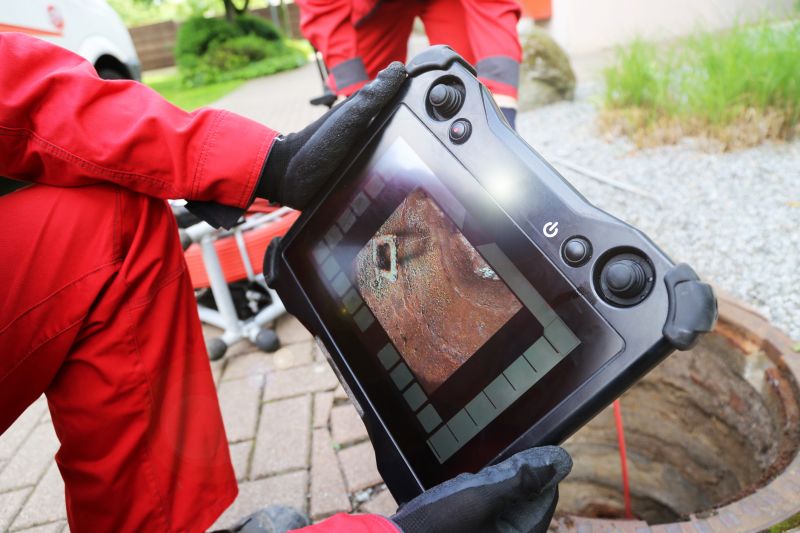
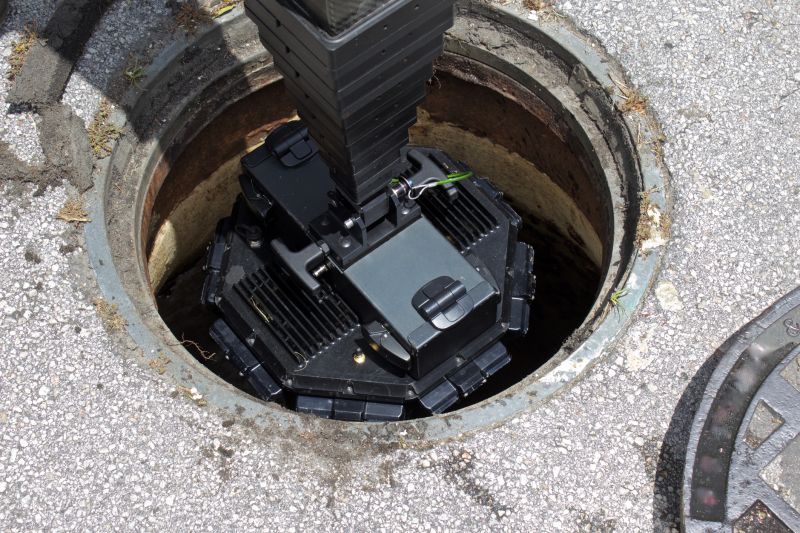
Sewer camera inspection involves the use of specialized equipment to visually assess the condition of underground sewer lines. This process helps identify blockages, damage, or other issues without extensive excavation, providing a clear understanding of the system’s state.
- Materials: Typically involves a waterproof, flexible camera with a high-resolution video feed designed for underground use.
- Size and Scope: Suitable for various pipe diameters, generally ranging from 3 inches to over 12 inches, with scope depending on the length of the line being inspected.
- Labor Complexity: Usually straightforward, but may increase with pipe accessibility challenges or the need for additional equipment.
- Permitting: Generally does not require permits, though local regulations should be checked for specific requirements.
- Extras: May include detailed video reports, digital recordings, or recommendations for repairs based on findings.
Project Size and Scope
| Scope/Size | Typical Range |
|---|---|
| Small Pipes | 2 to 4 inches |
| Standard Residential | 4 to 6 inches |
| Large Commercial | 6 to 12 inches |
| Specialty Applications | Up to 24 inches |
The typical range varies based on pipe size and specific project requirements.